Danbury • New Milford • Norwalk Contact Us
hero_image
Offering State of the Art Urology Services to Patients Across Connecticut
We have earned a strong reputation in Danbury, New Milford, Norwalk, and our surrounding communities. Our medical practice consists of six full-time, board certified urologists as well as a fellowship trained, board certified urogynecologist.

Our Locations

For general inquiries, please contact one of our offices

Danbury Office

51-53 Kenosia Avenue
Danbury, CT 06810
Fax: 203.797.0255
Phone: 203.748.0330

New Milford Office

120 Park Lane
Suite A202
New Milford, CT 06776
Fax: 203.797.0255
Phone: 203.748.0330

Norwalk Office

761 Main Ave
Suite 103
Norwalk, CT 06851
Fax: 203.797.0255
Phone: 203.748.0330

Urology Associates of Connecticut

Urology Associates of Danbury is now Urology Associates of Connecticut

We are excited to announce that, effective May 2025, we have officially changed our name to Urology Associates of Connecticut. Reflecting our geographical growth outwards from our 1983 founding in Danbury, we strive to enhance our urological services across the region.

Please be assured that while our name is changing, our commitment to providing you with the highest quality care remains unchanged. All of our contact information, including our phone number, will remain the same, so you can continue to reach us as you always have.

We greatly appreciate your continued trust and support. Thank you for being a valued part of our practice.

 

Providing urology care to
adult and senior patients.

We are proud of our facilities and our outstanding staff

Meet Our Physicans

Our Physicians

Our practice includes the diagnosis and treatment of a full spectrum of urology and urogyneology specific. We have a long history of providing diagnostic and therapeutic consultations to the medical communities of western Connecticut and eastern New York. Our full-time, board-certified urologists and urogynecologist are affiliated with Danbury Hospital, New Milford Hospital, and Norwalk Hospital. We also employ five full time Physician Assistants and APRNs.

Meet Our Team

Common Conditions We Treat

Swipe To View More

Prostate

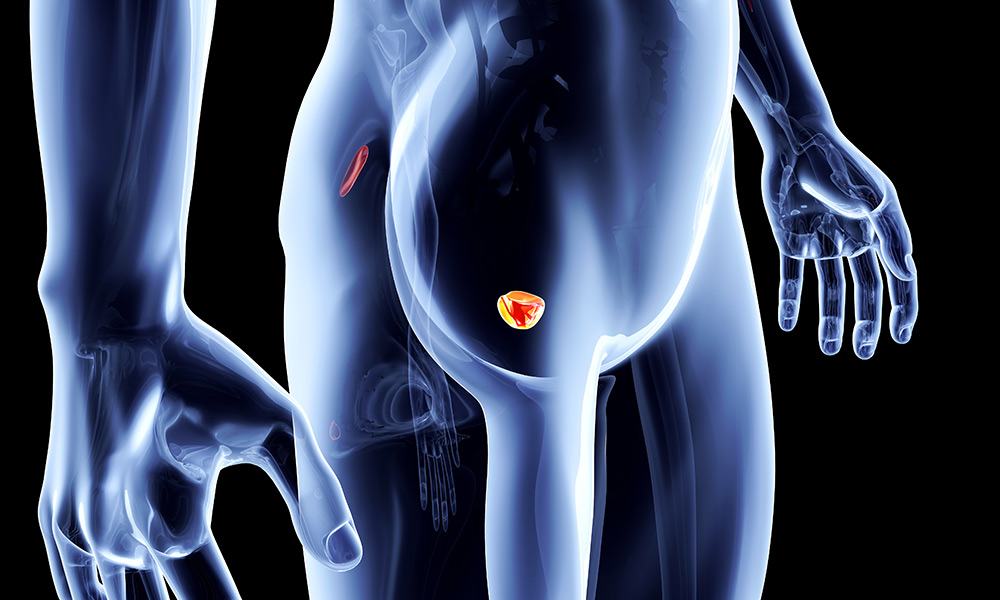
Prostate Cancer is the most common type of cancer in males. BPH is a condition of aging. Nearly all men over the age of 50 have an enlarged prostate.

Bladder Cancer

Over 72,000 new cases of bladder cancer are diagnosed each year and approximately 15,000 Americans die from bladder cancer annually.

Blood In Urine

Hematuria is a sign that something is causing bleeding in the genitourinary tract which could be the kidneys, the ureters, the prostate gland, the bladder, or the urethra.

Kidney Stones

Kidney stones may be as small as a grain of sand or larger than a golf ball and occur when substances in urine crystallize within the kidney and form rocklike particles.

Erectile Dysfunction

Erectile dysfunction (ED) is the inability of a man to achieve or maintain an erection sufficient for his sexual needs or the needs of his partner. Most men experience this inability at some point in their lives, usually by age 40, and are not psychologically affected by it.

Incontinence

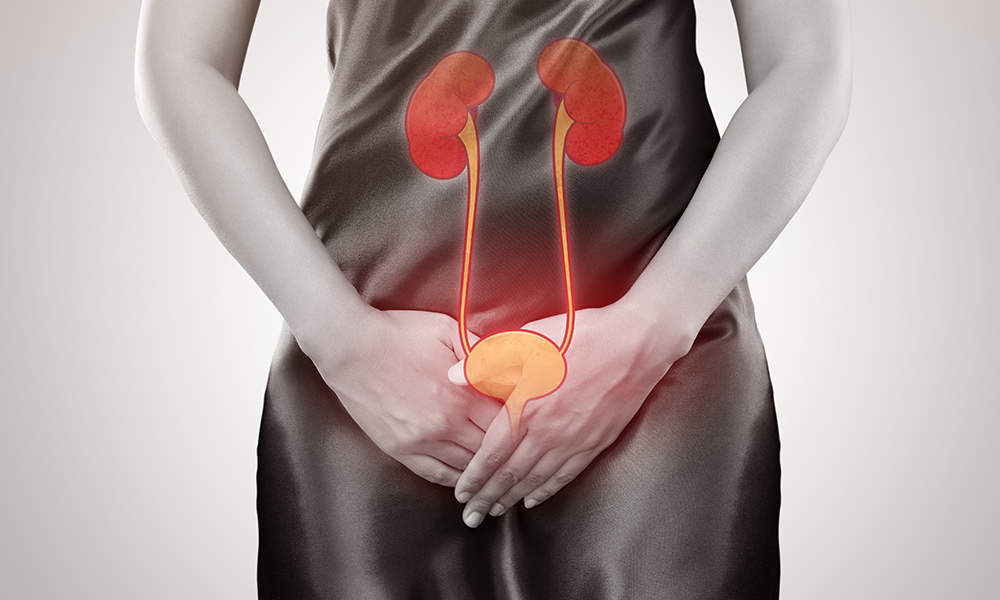
The goal of our program is to help you stay drier, reduce the need for protection and help with urgency and pelvic floor problems using a full range of “state-of the-art” treatment options, which will improve the quality of life for those individuals with bladder control problems.

Infertility / Varicoceles

Infertility affects approximately 15% of couples and in over 40% of cases the reproductive issue is related to the male. The work-up for infertility includes a comprehensive evaluation by an urologist with interpretation of a semen sample, lab tests and possible imaging studies.

Vasectomy

Vasectomy is the most common form of male contraception in this country. Each year, about half a million men in the United States who want to practice reliable birth control without placing the burden on their female partners undergo this relatively simple surgical procedure.

Female Pelvic Floor Disorders

Disorders of the pelvic floor include urinary incontinence, fecal incontinence, lower urinary tract disorders, pelvic organ prolapse, pelvic floor dysfunction, and childbirth-related injuries and can occur when the pelvic floor muscles are weakened or injured.